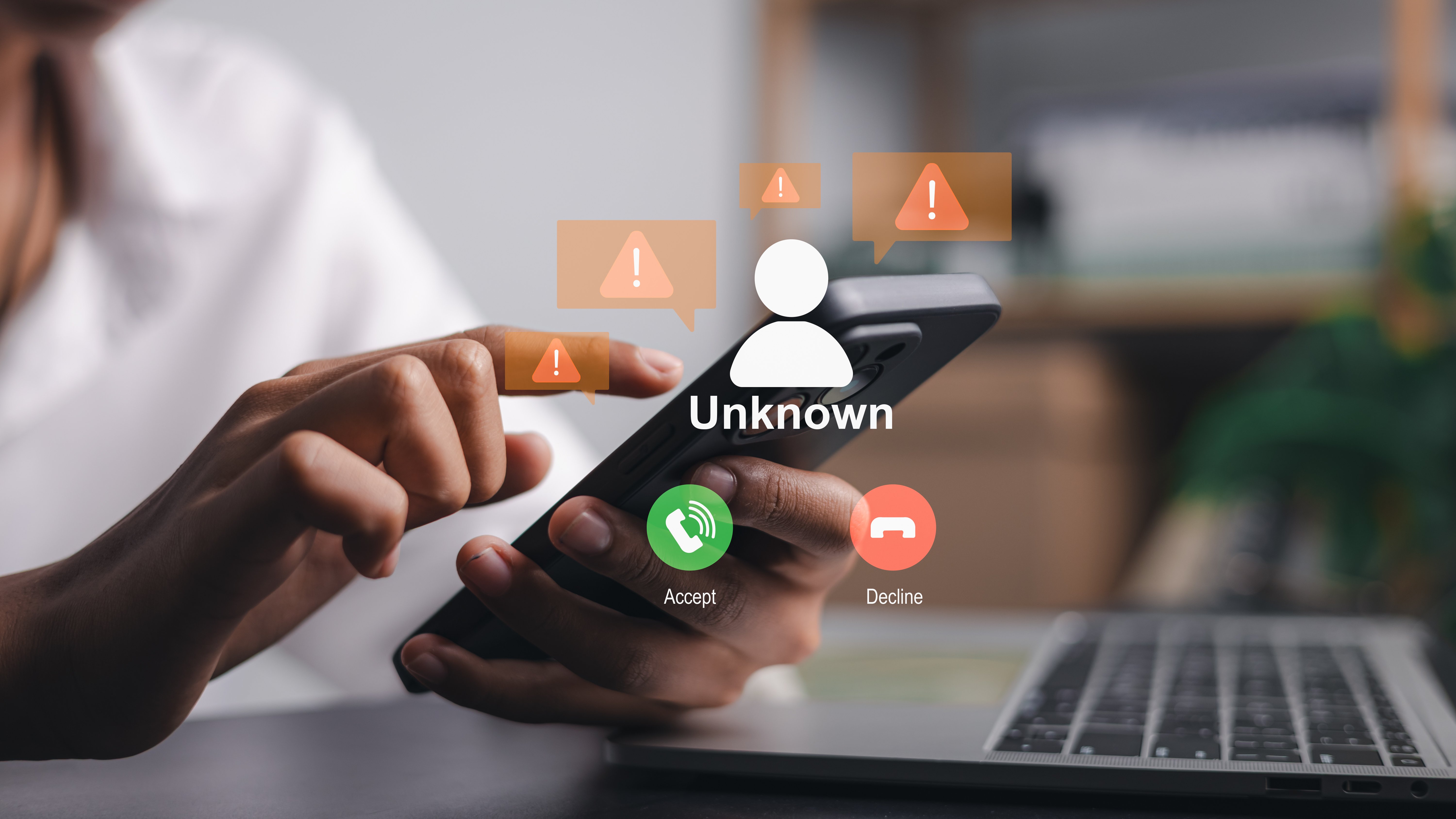
Digital fraud continues to evolve as criminals use increasingly sophisticated methods to steal money, personal information, and account credentials. Common schemes include phishing emails, fraudulent text messages, fake websites, social engineering phone calls, malware, and identity theft. A single mistaken click can result in compromised accounts, financial losses, or unauthorized access to sensitive personal and business information.
Key points
- Pause before you act. Fraudsters often use urgency, fear, or pressure to encourage quick decisions.
- Verify requests independently. Never rely on contact information, links, or phone numbers provided in a suspicious message.
- Avoid clicking unexpected links. Navigate directly to a trusted website or use a previously saved bookmark.
- Protect your credentials. Never provide passwords, authentication codes, or sensitive personal information in response to unsolicited communications.
- Strengthen account security. Use unique passwords and enable multi-factor authentication (MFA) whenever possible.
- Confirm financial requests. Independently verify wire transfers, invoice payments, gift card requests, and changes to banking instructions before sending money.
- Watch for impersonation. Carefully inspect email addresses and be cautious of unsolicited calls claiming to represent banks, government agencies, colleagues, or other trusted organizations.
- Keep devices secure. Install software and security updates regularly.
- Monitor your accounts. Review financial statements and online account activity for suspicious or unauthorized transactions.
- Limit publicly available personal information. Information shared on social media can help criminals create more convincing scams.
- Remember the core rule: “Stop, verify, then act.” Taking a few extra minutes to independently confirm a request can help prevent fraud.
Table of Contents
- Understanding the Risks of Digital Fraud
- Best Practices to Protect Yourself
- What A Simple Rule to Remember: Stop, Verify, Then Act
The best defense against digital fraud is a healthy level of skepticism and a commitment to independently verifying any request involving personal information, passwords, money, or urgent action.
Best Practices to protect yourself
- Never click links embedded in emails or text messages, even if they appear to come from a trusted company, government agency, bank, or colleague. Instead, open your browser and manually type the website address you know is correct, or use a previously saved bookmark.
- Do not reply directly to suspicious emails. If a message appears to be from a company, financial institution, or coworker, contact them using a phone number or email address that you already have in your contacts or can verify from the organization's official website.
- Be cautious of urgent requests. Fraudsters often create a sense of panic by claiming your account will be closed, a payment is overdue, or immediate action is required. Take time to independently verify the request before responding.
- Never provide passwords, authentication codes, or sensitive personal information in response to an email, text, or phone call. Legitimate organizations rarely request this information through unsolicited communications.
- Use strong, unique passwords for every account. If one account is compromised, unique passwords help prevent criminals from accessing your other accounts. A reputable password manager can help generate and securely store passwords.
- Enable multi-factor authentication (MFA) wherever available. MFA provides an additional layer of security by requiring a second form of verification, such as an authentication app or security key.
- Inspect sender information carefully. Fraudulent emails often use addresses that closely resemble legitimate ones. A single misplaced letter or unusual domain name can indicate a scam.
- Verify payment instructions independently. If you receive an email requesting a wire transfer, gift card purchase, invoice payment, or banking change, confirm the request through a known phone number before sending funds.
- Keep software and devices updated. Regular updates patch security vulnerabilities that cybercriminals exploit.
- Monitor financial and online accounts regularly. Promptly review bank statements, credit card transactions, and account activity for unauthorized access or suspicious charges.
- Be wary of unsolicited phone calls. Scammers frequently impersonate banks, government agencies, technical support, and law enforcement. Hang up and call the organization directly using a trusted number.
- Protect personal information on social media. Details such as birthdays, addresses, family relationships, travel plans, and employment information can be used to facilitate identity theft or targeted scams.
- Consider placing fraud alerts or credit monitoring on your accounts if you suspect your personal information has been exposed.
a simple rule to remember
Never trust contact information provided in the message itself. Instead, use contact information that you already know is legitimate, whether that is a saved phone number, a bookmarked website, or a verified email address from an official source. Taking a few extra minutes to verify a request is often the difference between staying secure and becoming a victim of digital fraud.
In cybersecurity, it is often said: "Stop, verify, then act." This simple habit is one of the most effective protections against digital fraud.